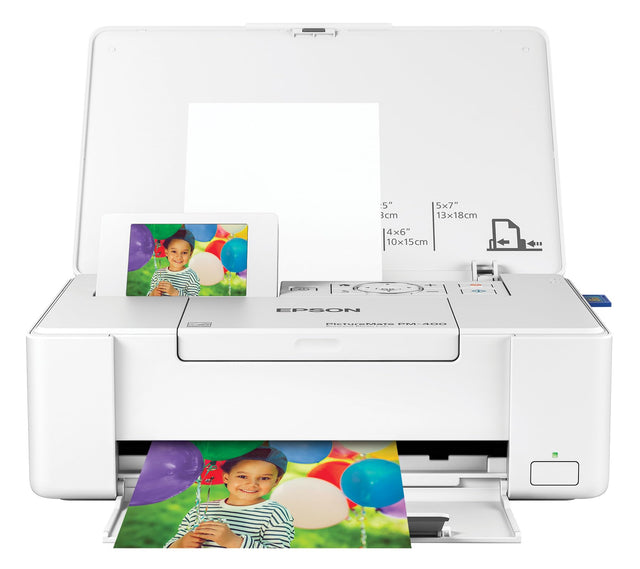
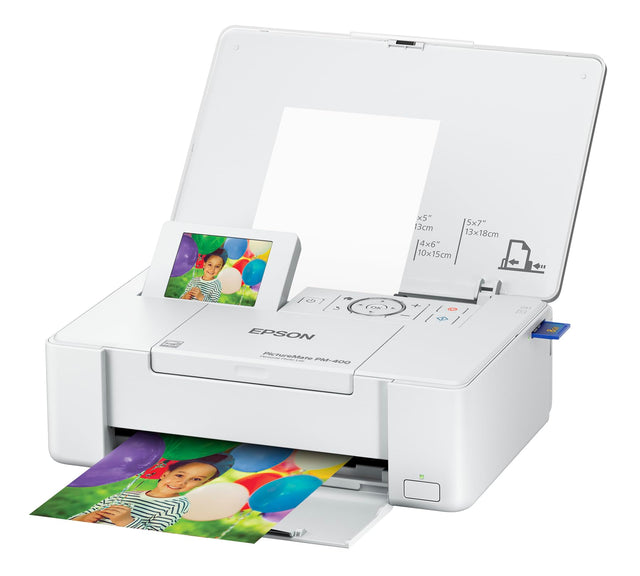
Looking at the Epson PictureMate PM-400 Wireless Compact Photo Printer (Inkjet printer, color, Wi-Fi)? These are the closest alternatives we carry, with what's different.
| Printer | What it is |
|---|---|
| Epson PictureMate PM-400 Wireless Compact Photo Printer (this one) | Inkjet printer, color, Wi-Fi |
| HP Officejet 200 Mobile Printer | Inkjet printer, color |
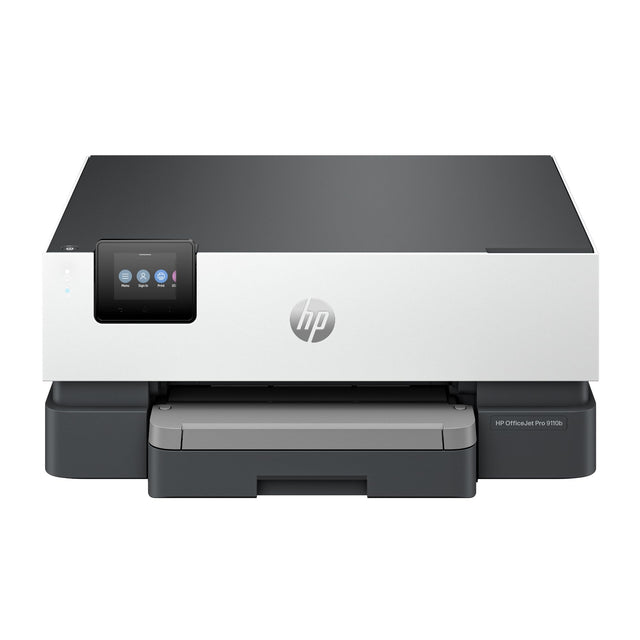
| HP OfficeJet Pro 9110b Color Inkjet Printer | Inkjet printer, color |
| Epson FX-890II NT | Inkjet printer, color |
| Epson Workforce Pro WF-M5299 Workgroup Monochrome Printer | Inkjet printer, black & white |
| Epson EcoTank ET-M1170 Wireless Monochrome Supertank Printer | Inkjet printer, black & white, Wi-Fi, refillable ink tanks |
| Epson FX-2190II NT | Inkjet printer, color |
HP Officejet 200 Mobile Printer
Inkjet printer, color. Compare them.
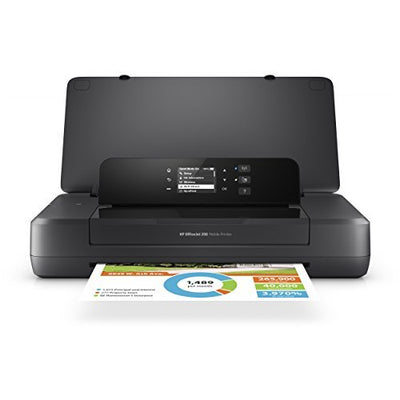
HP OfficeJet Pro 9110b Color Inkjet Printer
Inkjet printer, color. Compare them.

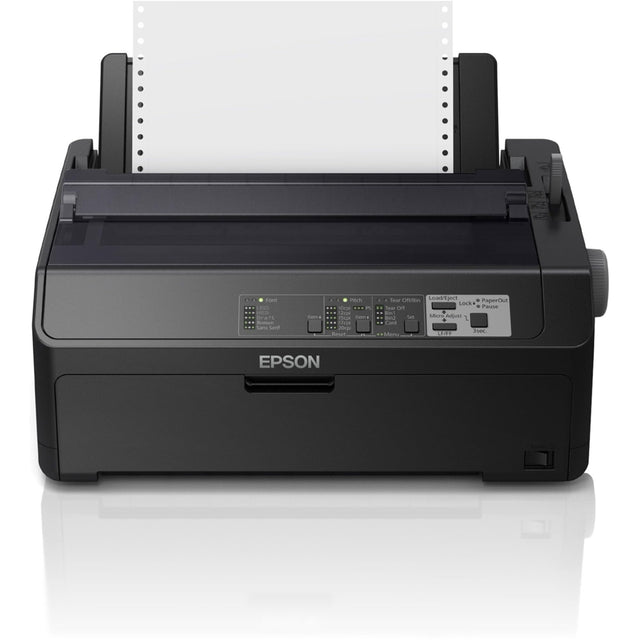
Epson FX-890II NT
Inkjet printer, color.

More: buying guides · printer comparisons
Related guides
- Epson PictureMate PM-400 Wireless Compact Photo Printer vs HP Officejet 200 Mobile Printer
- Epson PictureMate PM-400 Wireless Compact Photo Printer vs HP OfficeJet Pro 9110b Color Inkjet Printer
- Alternatives to the Epson EcoTank ET-M1170 Wireless Monochrome Supertank Printer
- Canon PIXMA G3270 BK vs Epson PictureMate PM-400 Wireless Compact Photo Printer
- Epson PictureMate PM-400 Wireless Compact Photo Printer vs HP Envy Inspire 7955e Wireless Color Inkjet Printer
- Alternatives to the Epson FX-2190II NT
Understanding the Epson PictureMate PM-400
What kind of printer this is
An inkjet printer sprays tiny drops of ink. It is the best choice for photos and rich color at a low purchase price. Ink can dry out if unused for weeks, so it suits people who print regularly.
What the specs mean
- Color
- Prints in color using four cartridges (black, cyan, magenta, yellow), each replaced separately.
- Wi-Fi
- Print from laptops and phones anywhere on your network, with no cable. USB is there as a backup.
The real cost of a printer
The price tag is only the start. Over 3 years most printers cost more in ink than to buy. Before choosing, compare:
- Cost per page: cartridge price ÷ page yield.
- Recommended monthly volume: the pages per month it handles comfortably. The bigger duty cycle number is a maximum, not a target.
- Starter cartridges: many printers ship with setup cartridges that hold less than a full one. Plan your first order early.
Setting it up
- Unpack it and remove all orange tape and packing pieces, including inside the covers and paper tray.
- Install the ink cartridges and load paper.
- Power on and follow the screen to pick your language and join your Wi-Fi.
- Install the driver or app from Epson's website (Epson Smart Panel). Avoid driver CDs, which are often out of date.
- Print a test page, then register the printer to activate the warranty.
Who it's best for
- Home users printing photos, school work and color
- Occasional printing at a low purchase price
Keep it running well
- Keep a spare cartridge on hand so a busy day never stops.
- Use good, dry paper and fan the stack before loading to avoid jams.
- Install firmware updates from Epson for fixes and security.
- Faded pages, streaks or jams? Start with our troubleshooting guides.
Printer terms, explained
Laser vs inkjet
Laser printers use toner powder. They are fast, crisp on text, have a low cost per page and never dry out. Inkjets use liquid ink and are best for photos, at a lower purchase price. Full comparison
Mono vs color
Mono (black-and-white) printers use one cartridge and cost less per page. Color printers add cyan, magenta and yellow cartridges for charts, flyers and photos.
All-in-one (MFP)
A printer that also scans and copies, and sometimes faxes. MFP stands for multifunction printer.
ADF
Automatic document feeder: a tray on top that pulls a stack of pages through the scanner, so you don't scan page by page.
Duplex (auto 2-sided)
Prints on both sides of the paper automatically, which saves paper. On many model names, a "d" means duplex and a "w" means wireless.
PPM
Pages per minute on standard text pages. A team of 5–10 people is comfortable from about 30 ppm.
Duty cycle vs monthly volume
Duty cycle is the maximum a printer can survive in a month. The recommended monthly volume, usually much lower, is what it handles comfortably. Choose by the second number.
DPI
Dots per inch: print sharpness. 600 dpi is crisp for text, and 1200 dpi or more matters for fine graphics and photos.
Wi-Fi, Wi-Fi Direct, Ethernet
Wi-Fi joins your network. Wi-Fi Direct lets a phone connect to the printer without a network. Ethernet (cable) is the most reliable choice for shared office printers.
Starter cartridges
Many new printers include setup cartridges with less toner or ink than a full replacement. Order your first full cartridge early.
Buying for several offices, or reselling? Get a volume quote or apply for wholesale pricing →